
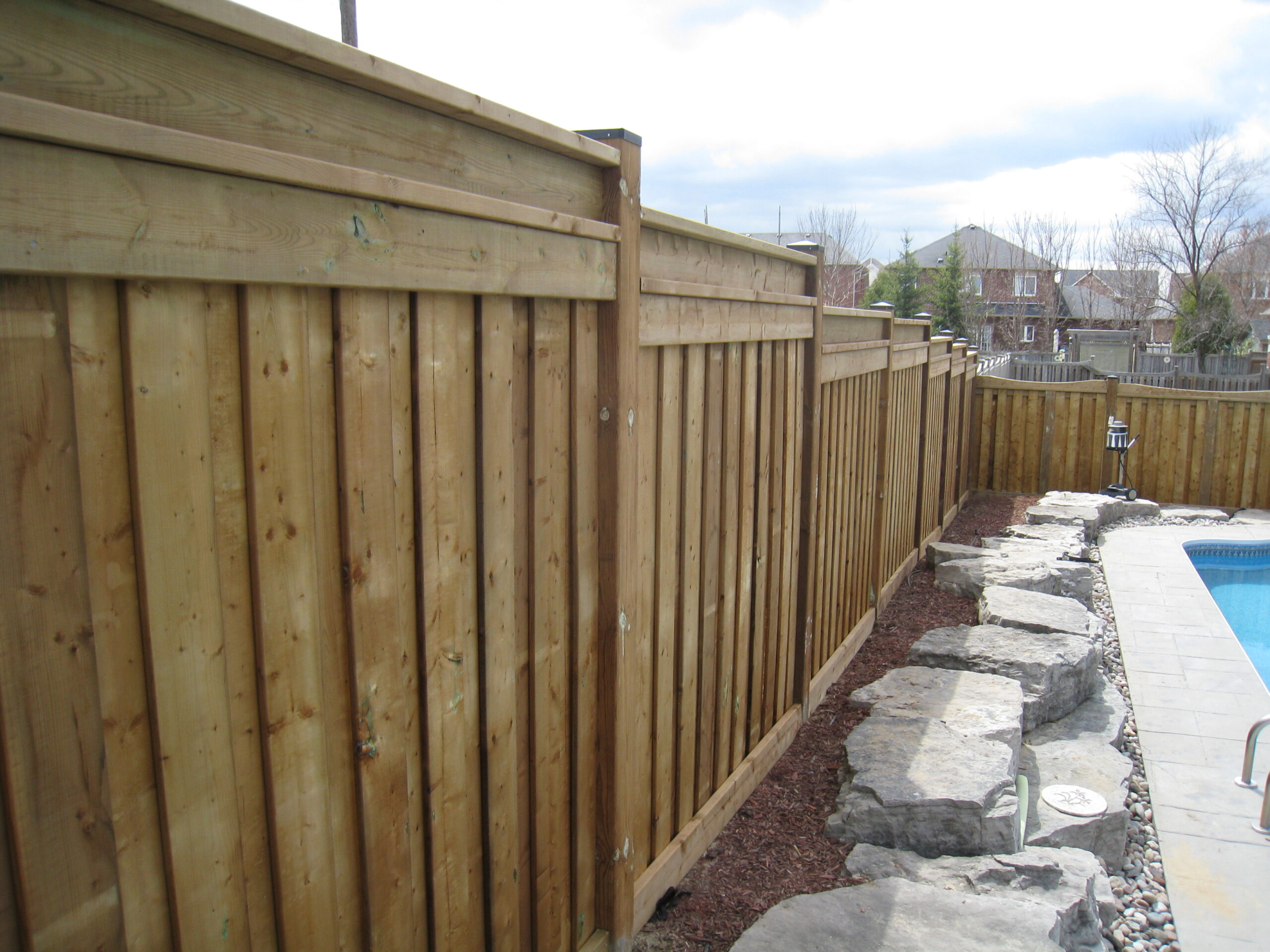
Timing Fence Installation in Ontario
Seasonal Pros and Cons
Choosing the right time to install a new fence can significantly impact both the installation process and the long-term durability of your investment. Ontario’s diverse climate creates unique challenges and opportunities for fence installation throughout the year.
Each season presents distinct advantages and disadvantages: spring offers optimal temperature conditions and rapid project completion, but faces high contractor demand and premium pricing; summer delivers extended daylight and predictable weather, yet brings challenges like extreme heat and hardened soil; fall provides cost savings and excellent working conditions with minimal landscaping impact, though daylight hours decrease as November approaches; and winter, while limiting active installation, serves as an ideal planning period for securing spring dates and locking in competitive pricing.
Knowing the seasonal pros and cons helps homeowners make informed decisions that align with their budget, timeline, and property needs, ensuring your new fence is installed at precisely the right moment for your circumstances.
Climate Challenges in Ontario
Ontario’s continental climate presents distinct challenges for outdoor construction projects. The province experiences dramatic temperature swings, from frigid winters with heavy snowfall to humid summers with frequent rainfall. These weather patterns affect ground conditions, material workability, concrete curing, and contractor availability, all of which are critical factors in successful fence installation.
The freeze-thaw cycles common throughout the York and Durham regions cause soil expansion and contraction, which can compromise fence stability if posts aren’t properly installed below the frost line (approximately 4 feet deep in Ontario).
Temperature also affects concrete curing, which requires conditions between 5°C and 30°C for optimal strength development.
Planning For Spring: the Common Choice
Spring ranks as the most popular season for fence installation in Ontario, and for good reason. As temperatures warm and homeowners turn their attention to outdoor improvements, fence contractors experience peak demand from April through June.
Spring Advantages
- Optimal Temperature Range: Spring temperatures typically fall within the ideal range for concrete curing, ensuring strong post foundations that will support your fence for decades. The moderate weather makes working conditions comfortable for installation crews, leading to efficient project completion.
- Improved Ground Conditions: After the ground thaws, soil is neither frozen solid like winter nor baked hard like mid-summer. This creates favorable conditions for digging post holes and setting posts securely. The balanced moisture levels help posts settle properly as the soil stabilizes.
- Ready for Summer Enjoyment: Installing your fence in spring means you’ll have a complete, beautiful outdoor space ready to enjoy throughout the summer months. Whether you’re hosting backyard gatherings, creating privacy for your pool area, or establishing safe play spaces for children and pets, spring installation maximizes your fence’s first-season value.
- Material Selection Flexibility: Spring weather accommodates all fence materials. Wood, vinyl, chain link, wrought iron, and composite options all install well during moderate spring temperatures. Wood absorbs and releases moisture based on atmospheric conditions, and spring’s balanced humidity minimizes expansion and contraction issues.
Spring Challenges
- High Contractor Demand: Spring’s popularity can make it challenging to secure a contractor at all. Fence contractors often book projects months in advance during this peak season, potentially delaying your installation by weeks or even months if you wait until April or May to contact professionals.
- Premium Pricing: High demand during spring and early summer often results in premium pricing, with contractors charging 10-20% more than off-season rates. When schedules are packed, contractors have less incentive to offer competitive pricing or seasonal discounts.
- Early Spring Mud: While late spring provides excellent conditions, early spring (late March through mid-April) isn’t as ideal. Heavy moisture from snowmelt creates muddy, oversaturated soil conditions that prevent proper concrete curing and create unstable environments for post setting. Waiting 2-4 weeks after thaw allows soil to drain and firm up, providing better working conditions than immediate post-thaw installation.
- Weather Unpredictability: Late snowfalls, cold snaps, and heavy rain periods can delay spring projects significantly. Ground conditions remain variable during early spring, with some areas thawing while others stay frozen. These uncertainties make precise scheduling difficult and can extend project timelines.
Spring Installation Tips
- Book your fence installation in late winter (January-February) to secure preferred dates before the spring rush
- Wait until mid-to-late May for optimal ground conditions if your property has heavy clay soil or drainage issues
- Request quotes from multiple contractors early to compare pricing and availability
- Schedule installation during dry weather forecasts to avoid mud-related complications
Summer Construction: Consistent Weather & Plenty of Daylight
Summer offers predictable weather patterns and extended daylight hours that facilitate efficient fence installation. From July through August, contractors can complete projects quickly when conditions cooperate.
Summer Advantages
- Dry, Stable Ground Conditions: Summer weather typically delivers consistently dry soil that is fully thawed and workable. The absence of frost concerns and reduced precipitation create reliable working conditions that keep projects on schedule.
- Extended Daylight Hours: Longer summer days allow installation crews to work more hours per day, potentially completing projects faster than during shorter-day seasons. This efficiency benefits both homeowners eager to enjoy their new fence and contractors managing multiple projects.
- Predictable Weather Windows: Summer generally offers more consecutive days of favorable weather compared to the variable conditions of spring or fall’s increasing precipitation. This predictability helps contractors maintain schedules and complete installations without weather-related delays.
- Immediate Enjoyment: Summer installation means you can immediately enjoy your new fence during the prime outdoor season, making it ideal for homeowners who want privacy, security, or aesthetic improvements for summer activities.
Summer Challenges
- Extreme Heat Complications: Ontario summers can bring uncomfortable heat and humidity that creates challenges for both workers and materials. Temperatures exceeding 27°C affect concrete curing as rapid moisture evaporation can reduce long-term strength by 10% or more. Hot weather requires special considerations like using cold water for concrete mixing, shading fresh installations, and scheduling work during cooler morning or evening hours.
- Hard, Compacted Soil: Extended dry periods create rock-hard soil that requires more effort for digging post holes. Clay-heavy soils common in the Durham and York regions become particularly difficult to excavate during drought conditions, potentially increasing labor costs and installation time.
- Material Considerations: High temperatures can cause vinyl to expand and wood to dry out excessively. While these effects are manageable with proper installation techniques, they require contractor expertise to prevent warping, gaps, or other issues that might develop as temperatures fluctuate.
- Continued Peak Demand: While slightly reduced from spring, summer demand remains high as contractors work through their backlog. Scheduling flexibility may still be limited, and pricing typically stays at peak-season rates.
- Storm Interruptions: Summer thunderstorms can appear suddenly, creating temporary work stoppages and affecting ground conditions. While less frequent than spring rain, these storms can disrupt installation schedules.
Summer Installation Tips
- Schedule installation for early morning or late afternoon to avoid peak heat
- Ensure your contractor uses proper concrete curing techniques for hot weather
- Maintain outdoor water access for concrete mixing during summer installations
- Choose contractors experienced with summer installations who understand heat-related material considerations
Fall Installation: The Best-Kept Secret
Fall represents an ideal yet often overlooked season for fence installation in Ontario. From September through November, cooler temperatures, improved contractor availability, and practical advantages make fall an excellent choice for informed homeowners.
Fall Advantages
- Comfortable Working Conditions: Fall temperatures ranging from 10°C to 20°C create ideal conditions for fence installation. Cooler weather prevents heat-related concrete curing issues while remaining warm enough for proper material workability. These moderate temperatures reduce the risk of material warping, expanding, or contracting.
- Optimal Ground Conditions: Fall soil remains workable, neither frozen nor rock-hard from summer drought. The ground retains enough moisture for stable post setting while avoiding the oversaturation common in spring. This balance creates excellent conditions for digging and securing fence posts.
- Increased Contractor Availability: As demand decreases following the summer rush, fence contractors have more flexible schedules and shorter wait times. Homeowners can often secure installation dates within weeks rather than months, and contractors can dedicate more attention to individual projects rather than juggling multiple simultaneous installations.
- Cost Savings Potential: Many contractors offer competitive pricing during fall’s slower season, with potential savings of 10-20% compared to peak spring and summer rates. These discounts help contractors maintain steady work schedules while providing homeowners with excellent value.
- Minimal Landscaping Impact: Fall installation occurs as plants enter dormancy, minimizing damage to lawns, gardens, and shrubs. Grass and vegetation are less vulnerable than during active growing seasons, and any disturbed areas recover easily when spring arrives. Leaves have fallen, making property lines more visible and reducing cleanup complexity.
- Winter Preparation: Installing a fence in fall means your property is fully enclosed and protected before winter arrives. A new fence shields your yard from wind-blown debris, provides privacy when trees are bare, and prevents snow from drifting into vulnerable areas. You’ll avoid the spring rush entirely, with your fence ready for immediate enjoyment when warm weather returns.
- Reduced Pest Activity: Fewer insects and pests in fall create more comfortable working conditions and reduce the risk of pest-related wood damage during the installation process.
Fall Challenges
- Decreasing Daylight Hours: As fall progresses, shorter days limit working hours. Projects that might take two days in summer could require three days in late fall simply due to reduced daylight, though this rarely significantly impacts total project cost.
- Increasing Weather Variability: Late fall brings more frequent precipitation and cooler temperatures. By November, ground freezing becomes a concern in many Ontario regions, potentially limiting installation windows. Early-to-mid fall (September through mid-October) provides the most reliable conditions.
- Material Selection Timing: If you’re ordering custom materials or specialty components, fall ordering may encounter longer lead times as suppliers wind down seasonal operations. Planning ahead ensures material availability doesn’t delay your project.
- Limited Post-Installation Landscaping: While fall installation protects existing landscaping, homeowners who want to complete complementary landscaping projects may need to wait until spring for planting, sodding, or other improvements.
Fall Installation Tips
- Schedule installation for September or early October for optimal conditions
- Book early-to-mid summer to secure preferred fall dates and potentially lock in pricing
- Take advantage of contractor flexibility for scheduling around your convenience
- Complete installation before late November when ground freezing becomes likely
- Prepare your property by clearing leaves and debris before installation begins
Winter Work: Limited but Possible
Winter fence installation in Ontario faces significant challenges due to frozen ground, snow accumulation, and concrete curing limitations. While full installations are limited, winter serves valuable purposes in the fence planning process.
Winter Realities
- Frozen Ground Complications: Ontario’s frost line reaches approximately 4 feet deep, precisely the depth required for proper fence post installation. Frozen ground becomes extremely difficult to excavate, requiring specialized equipment like power augers designed for frozen soil. Even with proper tools, winter installation demands significantly more labor and time, increasing project costs.
- Concrete Curing Issues: Concrete requires temperatures above 5°C for proper curing. Below-freezing temperatures slow or prevent the chemical reactions necessary for concrete to achieve full strength. While specialized techniques like heated enclosures and insulated blankets can facilitate winter concrete work, these methods add complexity and expense to fence installations.
- Snow and Ice Management: Heavy snowfall obscures property lines and creates hazardous working conditions. Snow accumulation must be cleared before installation can begin, and ongoing snowfall can interrupt projects mid-installation.
- Material Brittleness: Cold temperatures make some materials, particularly wood and certain plastics, more brittle and prone to cracking during handling and installation. Contractors must exercise extra care, potentially slowing the installation process.
Winter Advantages
Despite installation challenges, winter offers strategic advantages for homeowners planning fence projects:
- Planning and Design Time: Winter provides an ideal opportunity for thoughtful planning without rush or pressure. Homeowners can research materials, compare contractors, finalize designs, obtain necessary permits, and make informed decisions about their fencing project.
- Priority Spring Scheduling: Booking your fence installation during winter guarantees priority placement on contractor schedules when spring arrives. You’ll avoid the spring rush entirely, securing preferred installation dates before peak demand drives up wait times.
- Competitive Quotes: Contractors seeking to maintain workflow during slower winter months may offer competitive quotes for spring installations. Getting quotes in January or February, rather than waiting until April, can result in better pricing and more personalized consultation.
- Permit Processing: Winter’s reduced construction activity means municipal permit offices process applications more quickly. Securing permits during winter ensures all paperwork is complete when installation season arrives.
- Realistic Property Assessment: Winter reveals your property’s privacy gaps that foliage conceals during warmer months. With trees bare and shrubs dormant, you can accurately identify areas where fencing provides essential privacy and security.
Winter Strategy
Rather than installing during winter, use the season strategically:
- Contact contractors in January-February for free estimates and spring booking
- Research fence materials, styles, and design options thoroughly
- Obtain required permits and resolve any zoning or property line questions
- Plan complementary projects (landscaping, gates, lighting) for coordinated spring completion
- Secure financing if needed, avoiding rushed decisions during peak season
Choosing the Right Season for Your Fence Installation
The “best” time for fence installation depends on your specific circumstances, priorities, and timeline. Consider these factors when deciding:
- Budget Considerations: If cost savings are a priority, fall installation offers the best combination of quality conditions and reduced pricing. Winter planning with spring installation provides good pricing without compromising quality.
- Timeline Urgency: Homeowners needing immediate installation should consider summer or fall, when contractor availability and weather conditions support faster project completion. Spring’s high demand creates longer wait times that may not accommodate urgent needs.
- Material Selection: All seasons accommodate standard fence materials, but specialty materials or custom designs benefit from longer planning windows. Winter planning ensures material availability doesn’t delay spring or summer installation.
- Property Conditions: Properties with drainage issues or heavy clay soil perform better with late spring or fall installation when ground conditions are most manageable. Well-drained properties with sandy soil offer more seasonal flexibility.
- Personal Schedule: Align fence installation with your availability to supervise, make decisions, and accommodate contractor access to your property. Fall often provides more scheduling flexibility than peak-season spring.
Material Considerations Across Seasons
Different fence materials respond differently to seasonal installation:
- Wood Fencing: Cedar and pressure-treated wood install well during moderate temperatures with balanced humidity. Spring and fall provide ideal conditions, while summer requires attention to moisture content and winter installation risks material brittleness.
- Vinyl Fencing: Vinyl handles temperature extremes well but installs best during moderate weather to minimize expansion and contraction during installation. Fall’s stable temperatures provide excellent conditions for vinyl fence installation.
- Chain Link Fencing: Metal chain link fencing tolerates all seasonal conditions well, making it flexible for year-round installation when ground conditions permit. Winter installation remains possible in milder conditions.
- Wrought Iron and Aluminum: Metal fencing installs well across seasons, though concrete footings still require appropriate temperatures for curing. Fall provides ideal conditions for ornamental metal fencing projects.
- Composite Fencing: Composite materials resist moisture and temperature fluctuations, performing well during spring, summer, and fall installations. These premium materials justify their higher cost through superior seasonal durability.
Working with Professional Fence Contractors
Regardless of installation season, working with experienced fence contractors ensures quality results.
- Experience Matters: Choose contractors familiar with Ontario’s climate challenges who understand seasonal conditions, proper post depth for frost lines, and appropriate concrete curing techniques for varying temperatures.
- Clear Communication: Discuss your timeline, budget, and preferences openly with contractors. Professional fence companies will recommend optimal installation timing based on your specific property conditions and project requirements.
- Written Estimates: Obtain detailed written estimates that specify materials, labor costs, timeline, and warranty coverage. Compare multiple quotes to ensure fair pricing regardless of season.
- Verify Credentials: Confirm contractors carry proper insurance coverage (WSIB and liability) and can provide references from recent projects. Established contractors readily share examples of installations similar to your planned project.
- Permit Assistance: Reputable contractors help navigate municipal permit requirements, ensuring your fence complies with local regulations regarding height, placement, and property boundaries.
Making Your Decision
Ontario’s seasonal diversity requires thoughtful consideration when planning fence installation. While spring remains popular due to tradition and optimal conditions, fall offers compelling advantages including cost savings, contractor availability, and excellent working conditions. Summer provides reliability for homeowners needing immediate installation, while winter serves as an ideal planning period for securing spring dates.
At A.D. Holmes Fence & Deck, we’ve been building quality fences throughout the York and Durham regions for over 20 years. Our experience across all seasons means we understand Ontario’s climate challenges and know how to deliver exceptional results regardless of installation timing. Whether you’re planning a privacy fence, decorative installation, or practical enclosure, we’ll guide you toward the optimal installation window for your specific needs.
When you’re ready to discuss your fencing project, contact A.D. Holmes Fence & Deck today for a free, no-obligation estimate. Our family business combines integrity, experience, and quality craftsmanship to create beautiful, durable fences that enhance your property for decades to come.
Related Posts
Recent Works


