

A pool enclosure is an important part of controlling access to a residential swimming pool, but there isn’t one set of detailed pool-fence dimensions that applies uniformly to every Ontario property. Municipalities can establish their own requirements for permits, enclosure height, gates, openings, materials, placement, and inspections.
Before choosing a pool safety fence or starting installation, homeowners should identify the rules that apply where they live. Doing that early can prevent a preferred layout or material from conflicting with local requirements later.
Understanding Pool Fence Regulations in Ontario
The best starting point for a pool fence in Ontario is the current pool-enclosure or fence bylaw for the municipality where the property is located. Design decisions should follow that review, not come before it.
1. Start With Your Municipality’s Pool Enclosure Bylaw
Municipal bylaws can define which pools require an enclosure and how that enclosure must be built and maintained. Toronto and Ottawa, for example, each publish their own pool-enclosure requirements and approval processes.
If a property has unusual grading, existing structures, or another condition that makes the rules difficult to interpret, confirm the requirements directly with the municipality before proceeding.
2. Check Whether a Permit or Approval Is Required
Permit requirements shouldn’t be assumed. Toronto currently requires an approved Zoning Applicable Law Certificate before a Pool Fence Enclosure Permit application can proceed. The permit submission includes details such as the proposed fence location, height, and material.
Ottawa also requires an application for privately owned outdoor pool enclosures, including information about proposed fencing, gates, and existing structures that will form part of the enclosure. Even an existing yard fence must be reviewed through the permit process if it will enclose a new pool.
3. Verify the Required Fence Height
Don’t rely on a generic search result for “Ontario pool fence height.” The minimum can depend on the municipality and property type.
Ottawa requires pool enclosures to be at least 1.5 metres high. Toronto currently lists a 1.2-metre minimum for a pool enclosure on a single residential property, with different minimums for multi-residential and non-residential properties.
Those differences make local verification essential before materials are ordered.
4. Plan for Gates, Latches, and Controlled Access
A gate has to maintain the enclosure’s ability to restrict access when people aren’t using the pool area. Municipal rules may therefore address closing mechanisms, latches, locks, and gate construction.
Ottawa, for example, requires enclosure gates to have self-closing and self-latching devices as well as a lock, and gates generally must remain closed and locked when the pool isn’t in use. Toronto also requires pool-enclosure gates to be self-closing, self-latching, and locked except when the area is being used.
Exact hardware and placement requirements should always be checked locally.
5. Check Spacing and Anti-Climb Requirements
Overall height is only part of pool fence regulations. Openings, gaps, horizontal components, nearby objects, and other features may affect whether an enclosure is considered sufficiently resistant to access.
Ottawa limits the size of openings through or underneath an enclosure and restricts conditions that facilitate climbing. Toronto similarly regulates climbable conditions around pool enclosures.
A standard backyard fence design shouldn’t automatically be assumed suitable for a pool.
6. Confirm How Far the Fence Must Be From the Pool
Fence placement can also be regulated. Ottawa requires its enclosure to be at least one metre from the nearest inside wetted surface of the pool wall. Toronto currently requires a pool enclosure to be at least 1.2 metres from the pool edge.
These examples illustrate why placement needs to be checked against the applicable municipality rather than copied from another city’s requirements.
7. Make Sure the Fence Material and Design Are Permitted
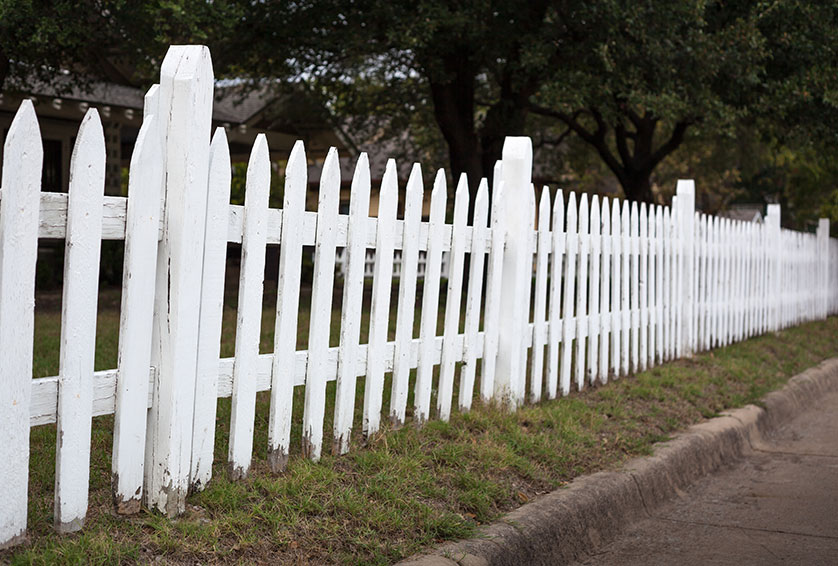
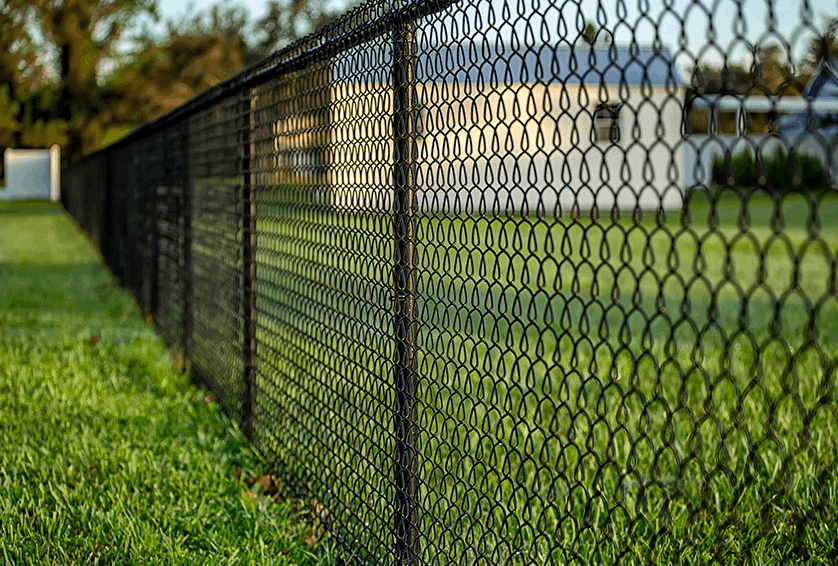
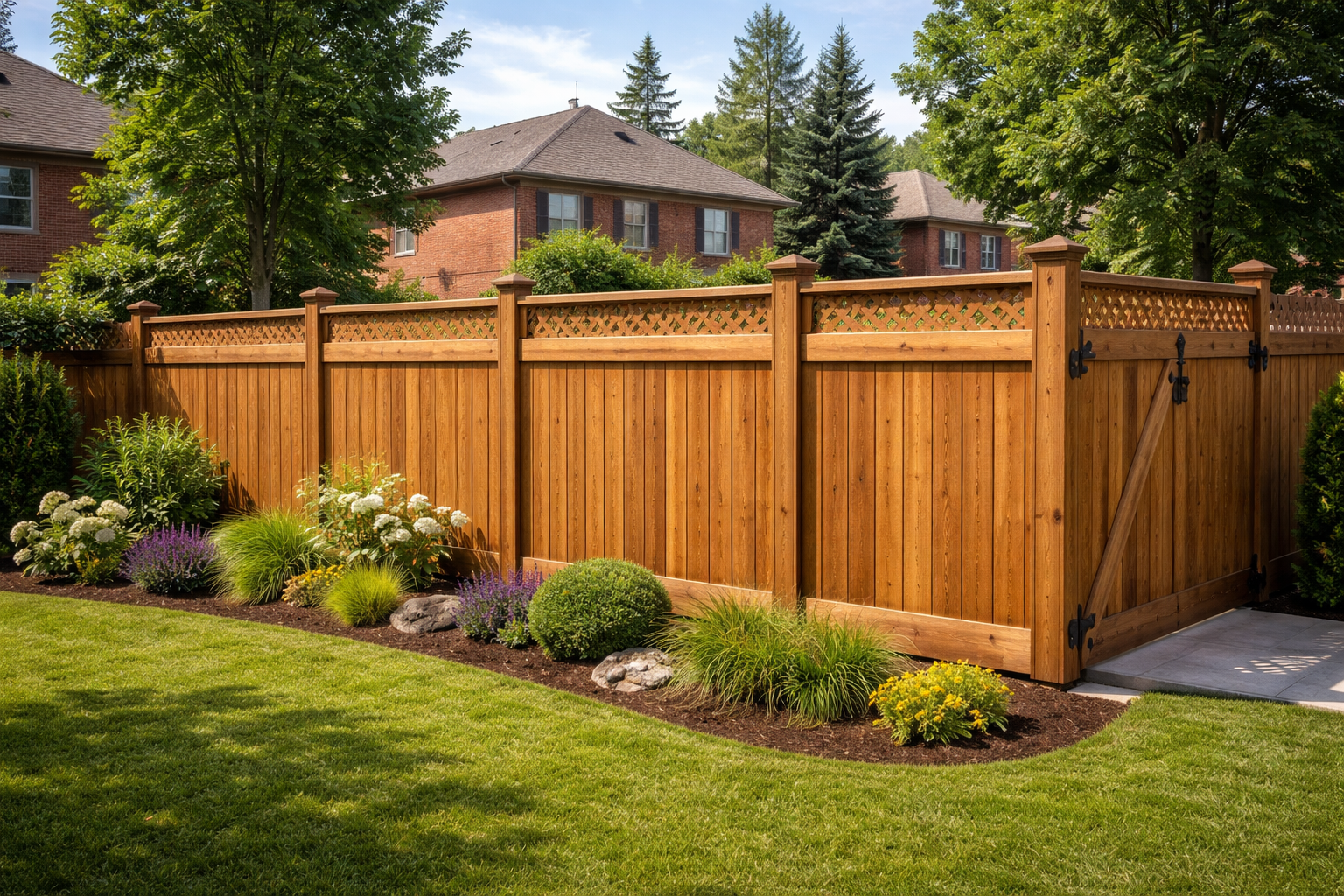
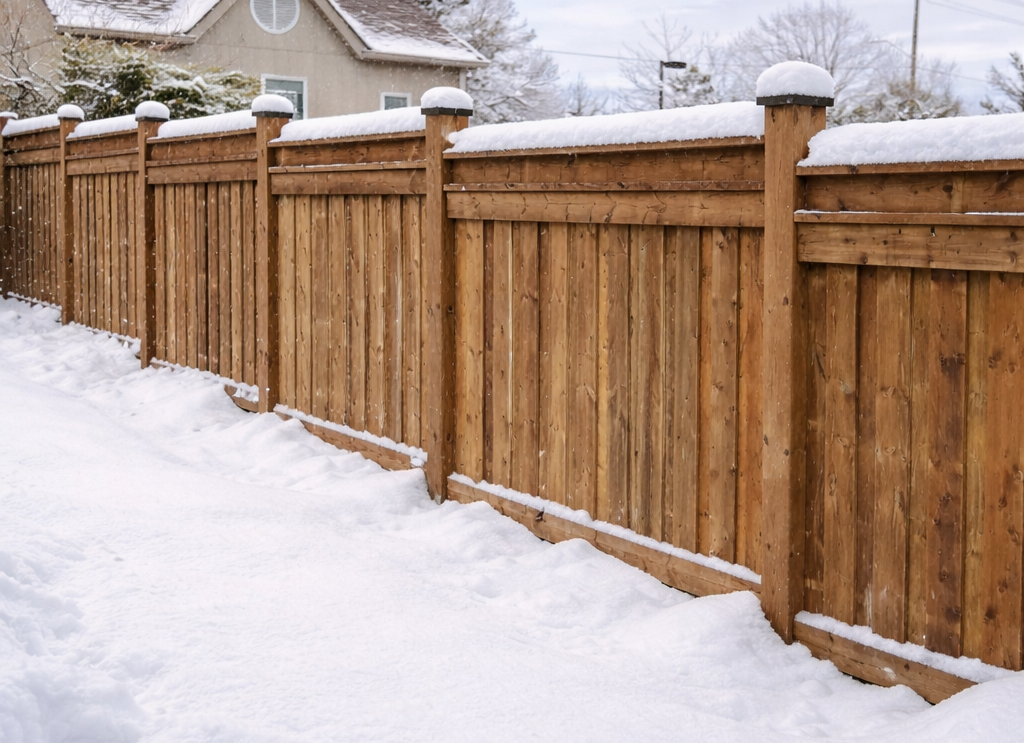
Different fence materials may be suitable when their construction satisfies the applicable bylaw. Ottawa provides specifications for options including chain link, wrought iron, aluminum, and vinyl, while Toronto identifies permitted pool-enclosure constructions including chain link, wood, metal picket, glass panel fencing, and masonry.
Material selection therefore involves more than appearance. Openings, climbability, structural construction, gate design, and required height all have to work together.
At A.D. Holmes Fence & Deck, our pool-enclosure service is designed around reviewing the property and applicable local requirements before installation.
8. Account for Existing Fences, Buildings, and Property Conditions
An existing perimeter fence doesn’t necessarily qualify as the required pool enclosure. Ottawa specifically requires homeowners to apply for a permit even when an existing yard fence will surround the proposed pool so the City can assess it against current requirements.
Buildings, doors, grade changes, landscaping, decks, and neighbouring property conditions can also affect the final layout. An on-site review can help identify these constraints before the design is finalized.
9. Plan for Inspection and Final Compliance
Installation may not be the final regulatory step. Toronto doesn’t allow a swimming pool to be filled until the City has inspected the permanent enclosure and confirmed that it complies with the bylaw. Ottawa also requires enclosure inspections during the pool construction process.
Keep permit documentation available and confirm the required inspection sequence directly with the municipality.
Choose a Pool Safety Fence With Compliance and Everyday Use in Mind
Bylaw compliance establishes the baseline, but a pool fence also needs to work with the backyard. Gate location, maintenance access, sightlines, pathways, decks, patios, and landscaping can all affect how practical the enclosure feels after installation.
Consider these relationships early. A fence layout that satisfies the applicable rules but interrupts a frequently used walkway or creates an awkward gate location may require unnecessary compromises.
Appearance and material preferences still matter, but only after confirming that the proposed configuration can satisfy local enclosure requirements.
Verify Pool Fence Requirements Before Installation Begins
Final fence dimensions, gate hardware, materials, permits, placement, and inspection requirements should be confirmed before construction begins. Municipal websites and bylaw departments should remain the authoritative source for the property.
A.D. Holmes Fence & Deck serves homeowners across York Region, Durham Region, and parts of the GTA. Our pool-enclosure process includes reviewing property measurements and local requirements before installation, followed by a final review of the completed enclosure.
Plan Your Pool Fence in Ontario With Local Requirements in Mind
Planning a pool fence in Ontario starts with the municipality, not a generic provincial checklist. Verify the required approvals, height, gates, openings, permitted construction, placement, and inspections before committing to the final design.
A.D. Holmes Fence & Deck provides pool enclosure installation for homeowners in York Region, Durham Region, and surrounding GTA communities. Working with an experienced installer can help coordinate the practical details, but municipal approval and applicable bylaws still determine the requirements for each property.
Reach out to AD Holmes Fence & Deck today at 647-464-6113 or click here to get in touch online.
Frequently Asked Questions About Pool Fence Requirements in Ontario
Does Ontario Have One Pool Fence Rule for Every Municipality?
Homeowners shouldn’t assume that one set of residential pool-fence dimensions applies throughout Ontario. Toronto and Ottawa, for example, maintain separate municipal enclosure rules with different dimensional and approval requirements.
Check the current bylaw for the municipality where the property is located before finalizing the enclosure.
Do I Need a Permit for a Pool Fence in Ontario?
Permit requirements depend on the municipality. Toronto requires a Pool Fence Enclosure Permit after the required zoning review, while Ottawa requires a pool-enclosure application for privately owned outdoor pools.
Complete the applicable local approval process before beginning construction.
Can My Existing Backyard Fence Be Used as a Pool Fence?
Possibly, but it should be assessed against the current pool-enclosure requirements rather than assumed compliant.
Ottawa, for example, still requires a permit application when an existing yard fence is proposed as the pool enclosure. Height, openings, gate construction, climbability, placement, and other local criteria may all need review.
What Type of Gate Does a Pool Safety Fence Need?
The exact requirements depend on the municipality. Gate rules may address self-closing operation, self-latching hardware, locks, and the placement of those components.
Ottawa requires gates to be self-closing and fitted with a self-latching device and a lock. Treat that as an Ottawa requirement, not a universal specification for every Ontario municipality.
When Should I Check Pool Fence Regulations?
Check them before settling on the fence design, purchasing materials, or starting construction.
Early verification allows permit requirements, fence placement, gates, material specifications, and inspections to influence the project while changes are still relatively easy to make. Where the property creates uncertainty, coordinate with the municipality and installer before finalizing the plan.
Related Posts
Recent Works