
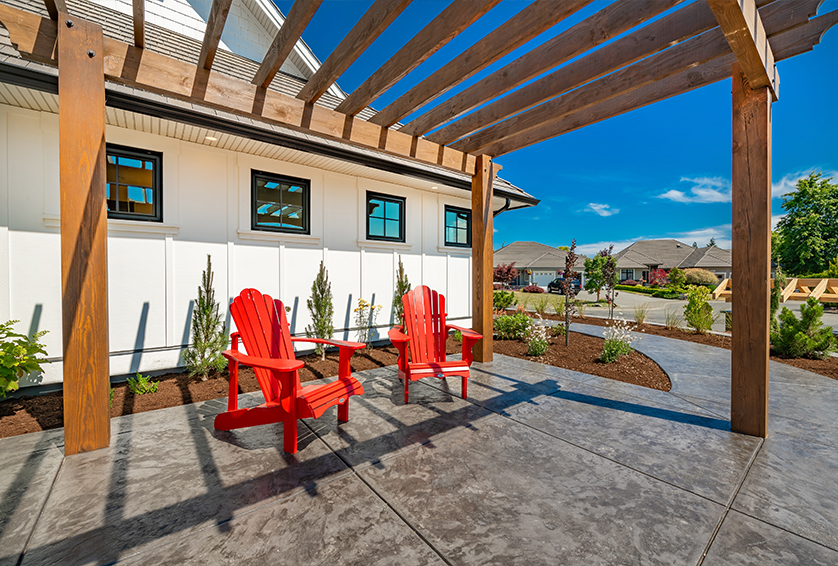
Choosing between a patio and a deck is not always straightforward. Ontario homeowners often weigh cost, appearance, maintenance, and how well the space will hold up through changing seasons before deciding what makes the most sense for their yard.
That decision matters because the material you choose affects how the outdoor space looks, how much upkeep it needs, and how well it performs over time. If you are comparing a concrete patio with a composite deck, it helps to understand where each option stands out and where it may be less practical.
Concrete Patio vs Composite Deck: Key Differences for Ontario Homes
Both options can create a functional outdoor living area, but they do not perform the same way. The right fit depends on your property, your goals for the space, and how much maintenance you are comfortable taking on.
Looking at the differences side by side can make the decision easier, especially when Ontario weather and long-term upkeep are part of the equation.
Durability and Weather Resistance
Concrete can be durable, but Ontario’s freeze-thaw cycle can be hard on it over time. When moisture gets into small surface openings and freezes, cracking and shifting can become more likely, especially if drainage or installation was not handled well.
Composite decking is designed to resist moisture, rot, and insect damage, which gives it a different kind of durability. It does not crack the same way concrete can, and it generally handles wet conditions with less structural wear. For homeowners dealing with exposed backyards, changing temperatures, or elevated spaces, composite often offers more flexibility and weather resistance in daily use.
Maintenance Requirements
Concrete patios may need sealing, surface cleaning, and occasional crack repair to stay in good shape. Even when the slab is structurally sound, surface wear can affect appearance and lead to more noticeable maintenance needs over time.
Composite decking is popular partly because it is lower maintenance. It does not need sanding, staining, or sealing in the way some outdoor surfaces do, and routine cleaning is usually enough to keep it looking good. For homeowners who want an outdoor feature that asks less of them year after year, that convenience can carry real weight.
Aesthetic Appeal and Design Options
Concrete and composite create very different visual effects. A concrete patio usually has a more grounded, hardscape feel, while composite decking brings warmth, dimension, and a stronger connection to traditional outdoor living design.
Composite also gives homeowners more flexibility in board colour, finish, railing combinations, and overall layout. Concrete can be customized too, especially with stamped or decorative finishes, but the look tends to stay closer to the patio category than the deck category. The best fit often comes down to whether you want the space to feel more like an extension of the yard or an extension of the home.
Cost and Long-Term Value
Upfront cost often depends on project size, site conditions, design complexity, and labour requirements. In many cases, a basic concrete patio may start lower than a composite deck, particularly if the site is simple and ground-level access is straightforward.
Long-term value is a broader question. Composite decking may come with a higher initial investment, but reduced maintenance and longer-lasting visual appeal can shift the equation over time. Homeowners should look beyond installation alone and consider how much upkeep, repair, and future use will influence the real cost of the project.
Installation Process and Timeline
Concrete patios usually involve excavation, base preparation, forming, pouring, and curing. Site conditions, weather, and finishing requirements can all affect timing.
A composite deck follows a different construction path, with framing, structural support, decking installation, and finishing details such as stairs or railings where needed. The project may be more complex from a build standpoint, especially for raised decks, but it also offers more design flexibility. In either case, experienced contractors matter because proper installation has a major impact on durability, safety, and final appearance.
Concrete Patio vs Deck: Which Is Better for Your Outdoor Space?
The layout of your property plays a big part in the decision. A concrete patio often works well on level ground where you want simple access, a firm surface, and a more connected relationship with the yard.
A deck may make more sense when the home sits higher, the lot has a slope, or the goal is to create a defined entertaining area just off the house. Lifestyle matters too. Some homeowners want a low-profile patio for practical outdoor use, while others prefer the elevated feel and finished look of a dedicated deck space.
Why Composite Decking Is Popular in Ontario
Composite decking continues to attract attention because it fits what many Ontario homeowners want from an outdoor upgrade: durability, reduced maintenance, and a cleaner long-term appearance.
It also suits a wide range of home styles and outdoor layouts. For households that want a polished space for relaxing, dining, or entertaining without taking on constant upkeep, composite decking offers a modern solution that performs well in changing weather.
Why Work With Professional Deck Contractors in Ontario
Choosing the right material is only part of the project. Design, structural planning, workmanship, and installation quality all affect how the finished space performs and how long it lasts.
Working with experienced professionals helps reduce the risk of drainage problems, weak framing, poor finishing, or design choices that do not suit the property. AD Holmes Fence & Deck helps Ontario homeowners create outdoor spaces that are safe, well built, and designed to match how the space will actually be used.
Choosing Between a Concrete vs Composite Deck for Your Home
The best choice between a patio and a deck depends on your property layout, maintenance expectations, design goals, and budget. Comparing concrete vs composite deck options carefully can help you choose an outdoor feature that looks right, functions well, and holds up over time. AD Holmes Fence & Deck works with homeowners to build outdoor spaces that fit both the home and the way the space is meant to be enjoyed.
Reach out to AD Holmes Fence & Deck today at 647-951-7099 or click here to get in touch online.
FAQ
Is a concrete patio cheaper than a composite deck?
Often, a basic concrete patio may cost less upfront than a composite deck, but pricing depends on size, site conditions, finish level, and labour. Long-term maintenance should also be part of the comparison.
How long does composite decking last?
Composite decking can last for many years when installed properly and maintained with routine cleaning. Lifespan depends on product quality, exposure conditions, and how well the structure beneath it is built.
Does concrete crack in cold climates like Ontario?
It can. Freeze-thaw conditions may lead to cracking over time, especially if water gets into the surface or drainage is poor. Proper installation and maintenance can help reduce that risk.
Which option adds more value to a home?
That depends on the property and what buyers expect in the area. A well-designed deck or patio can both add appeal, but usability, appearance, and condition often influence value more than the category alone.
Should I hire a contractor for a deck or patio project?
Yes, in many cases it is the safer and more reliable choice. Professional installation helps with structural quality, proper drainage, code considerations, and a better finished result than many DIY projects can deliver.
Related Posts

Recent Works