
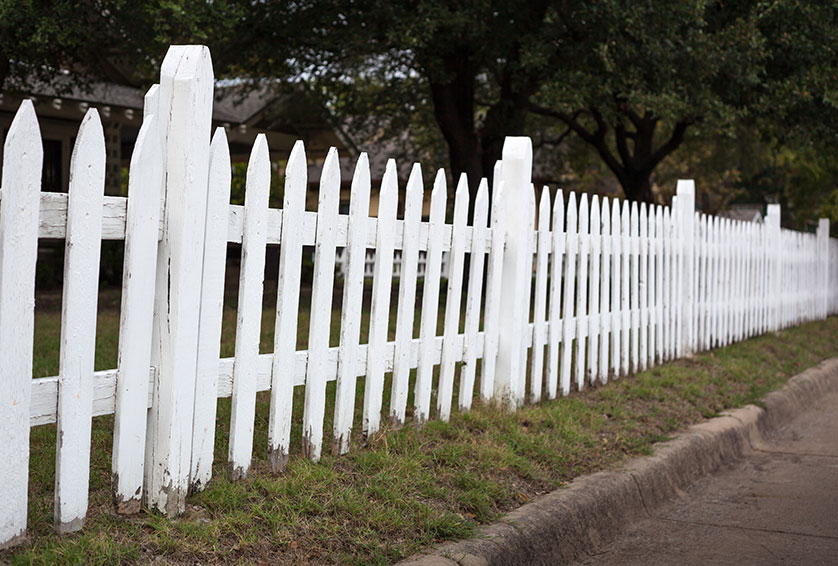
Fall is a good time to inspect your fence before snow, freezing temperatures, and winter moisture make existing problems harder to see or address. A section that already feels loose or damaged in October may be more difficult to work around once the ground freezes and snow covers the lower part of the fence.
Routine fence maintenance gives you a chance to spot leaning posts, damaged boards, loose hardware, moisture-related deterioration, and gate problems while exterior conditions are still manageable. Wood fencing deserves particular attention because regular upkeep is part of keeping it in good condition over time.
What to Check During Fall Fence Maintenance
A useful fall inspection should cover the entire structure, including posts, boards, gates, fasteners, and the ground around the fence line.
Walk both sides where you have access and look for anything that has changed since spring. Some issues may only need basic upkeep, while instability or structural damage may call for professional fence repair.
Check Posts for Leaning or Movement
Start with the posts because they provide the main support for the fence.
Look for noticeable leaning, shifting, looseness, or movement where the post enters the ground. Check several locations rather than assuming one straight section means the rest of the fence is stable.
Moisture, freeze-thaw cycles, and soil movement can place more stress on an already compromised post. If a post or larger section feels unstable, we recommend having it assessed before winter.
Look for Loose, Cracked, or Damaged Boards
Inspect wood boards for cracks, splits, missing pieces, looseness, or damage that has worsened over the warmer months.
Minor weathering is different from a board that no longer stays securely in place or has deteriorated enough to affect the fence’s function. Addressing localized damage before snow arrives can also make the work easier to access.
One advantage of wood fencing is that individual boards can often be repaired or replaced when the surrounding structure remains sound.
Inspect Fasteners and Connection Points
Check visible screws, nails, brackets, hinges, and other connections.
Loose or deteriorated fasteners can allow boards, panels, and gates to move more than intended. Gate hinges and latches deserve extra attention because they’re used frequently and experience repeated movement.
If the underlying wood or post is damaged, simply adding another fastener may not solve the actual problem.
Make Sure Gates Open, Close, and Latch Properly
Open and close each gate and pay attention to how it moves.
A gate that sags, drags, sticks, or no longer lines up with the latch may have an issue involving the hinges, posts, hardware, or surrounding ground. Repeatedly adjusting the latch won’t necessarily fix a recurring alignment problem.
It’s worth addressing obvious gate issues before snow and ice make access even more difficult.
Check Wood for Signs of Moisture Damage or Decay
As part of wood fence maintenance, inspect areas near the ground, posts, and horizontal rails for soft spots, significant discolouration, or visible deterioration.
Pressure-treated wood still needs maintenance over time. Pay particular attention to places where leaves, soil, or vegetation remain in contact with the fence and hold moisture against the surface.
If deterioration appears to affect a structural post, rail, or larger section, professional assessment may be needed.
Clear Leaves, Vines, and Debris Away From the Fence
Remove leaves, plant material, and other debris that has collected along the fence line.
Wet organic material can keep wood damp and hide changes near the bottom of boards and posts. Trim back vegetation that is pressing heavily against the fence or interfering with gate movement.
Keeping the base visible also makes it easier to notice changes later in the season.
Clean Dirt and Surface Buildup Before Winter
Ordinary dirt, mud, and surface buildup can hide cracks, damaged boards, and other maintenance concerns.
Use cleaning methods appropriate for the fence material and any existing finish. Avoid overly aggressive methods that could damage wood fibres or strip a protective coating unnecessarily.
If your fence is stained or sealed, follow the care instructions for that specific product.
Review the Condition of Stain or Protective Finishes
Look for fading, peeling, uneven wear, or areas where the existing finish no longer appears consistent.
There isn’t one refinishing schedule that suits every wood fence. Exposure, wood type, previous treatments, and the product itself all affect when another application may be appropriate.
Fall inspection is a good time to assess the finish, but it doesn’t mean every fence needs to be restained before every winter.
Check the Fence Line and Surrounding Ground
Walk the base of the fence and look for pooling water, erosion, soil movement, or new obstructions near the posts.
Ground conditions matter because posts rely on stable support. In our service areas across York Region, Durham Region, and parts of the GTA, fences also need to deal with seasonal moisture and freeze-thaw conditions.
Simple drainage or debris issues may be manageable without disturbing the fence. If soil movement appears connected to leaning or instability, the structure should be assessed before making changes around the posts.
Which Fence Repairs Should Be Handled Before Snow?
Prioritize problems involving leaning posts, unstable panels, loose or missing boards, damaged gates, and deteriorated structural connections.
Winter doesn’t cause every fence problem, but snow, ice, moisture, and frozen ground can make an existing issue harder to inspect and work around. If a section already feels unstable, waiting until spring simply because it’s still standing may not be the best approach.
Cosmetic weathering can usually be treated differently from fence repair involving damaged structural components.
How Wood Fence Maintenance Changes With the Seasons
Fall shouldn’t be the only time you look at your fence.
Wood responds to changing weather and moisture levels, so posts, boards, hardware, and finishes should be checked periodically throughout the year. Another inspection after winter can help identify any movement or damage that becomes visible once the snow melts.
Maintenance needs vary with wood type, installation, exposure, age, and previous upkeep. A simple seasonal routine is more useful than relying on one fixed schedule for every property.
Protect Your Fence With Regular Fence Maintenance
Fall fence maintenance gives you an opportunity to clear debris, inspect wood and hardware, test gates, and identify repair needs before snow arrives. Structural concerns should take priority, while routine wood fence maintenance can continue throughout the life of the installation.
At A.D. Holmes Fence & Deck, we build and repair fencing with long-term durability and proper installation in mind. You can learn more about our wood fence services and the options available for your property.
Reach out to A.D. Holmes Fence & Deck today at 647-464-6113 or click here to get in touch online.
Frequently Asked Questions
How Often Should I Inspect My Fence?
Include a basic visual inspection in your seasonal property maintenance and take another look after severe weather or whenever something changes.
Check the posts, boards, hardware, gates, and surrounding ground rather than looking only at the visible face of the fence.
Should I Repair a Leaning Fence Before Winter?
Noticeable leaning can point to a problem with the posts, ground support, or another structural component.
If the movement is significant, we recommend having it assessed before winter rather than assuming frozen ground or snow will stabilize it.
Does a Wood Fence Need to Be Stained Every Fall?
No. Staining frequency depends on the product, wood, exposure, previous application, and current condition.
Inspect the existing finish and follow the coating manufacturer’s care guidance. A fall inspection doesn’t automatically mean refinishing is required.
Can Damaged Fence Boards Be Replaced Without Replacing the Whole Fence?
Sometimes. Individual boards or components may be repairable or replaceable when the surrounding structure is still sound.
If deterioration is widespread or several posts and structural components are affected, a broader repair may make more sense.
What Are the Most Important Fence Maintenance Tasks Before Snow?
Focus first on stability and structural condition. Check posts, boards, fasteners, gates, and the ground around the fence, then clear leaves and vegetation and review the condition of the wood and finish.
Address safety or structural concerns before cosmetic maintenance wherever possible.
Related Posts

Recent Works